What Happens If You Delay a Root Canal?
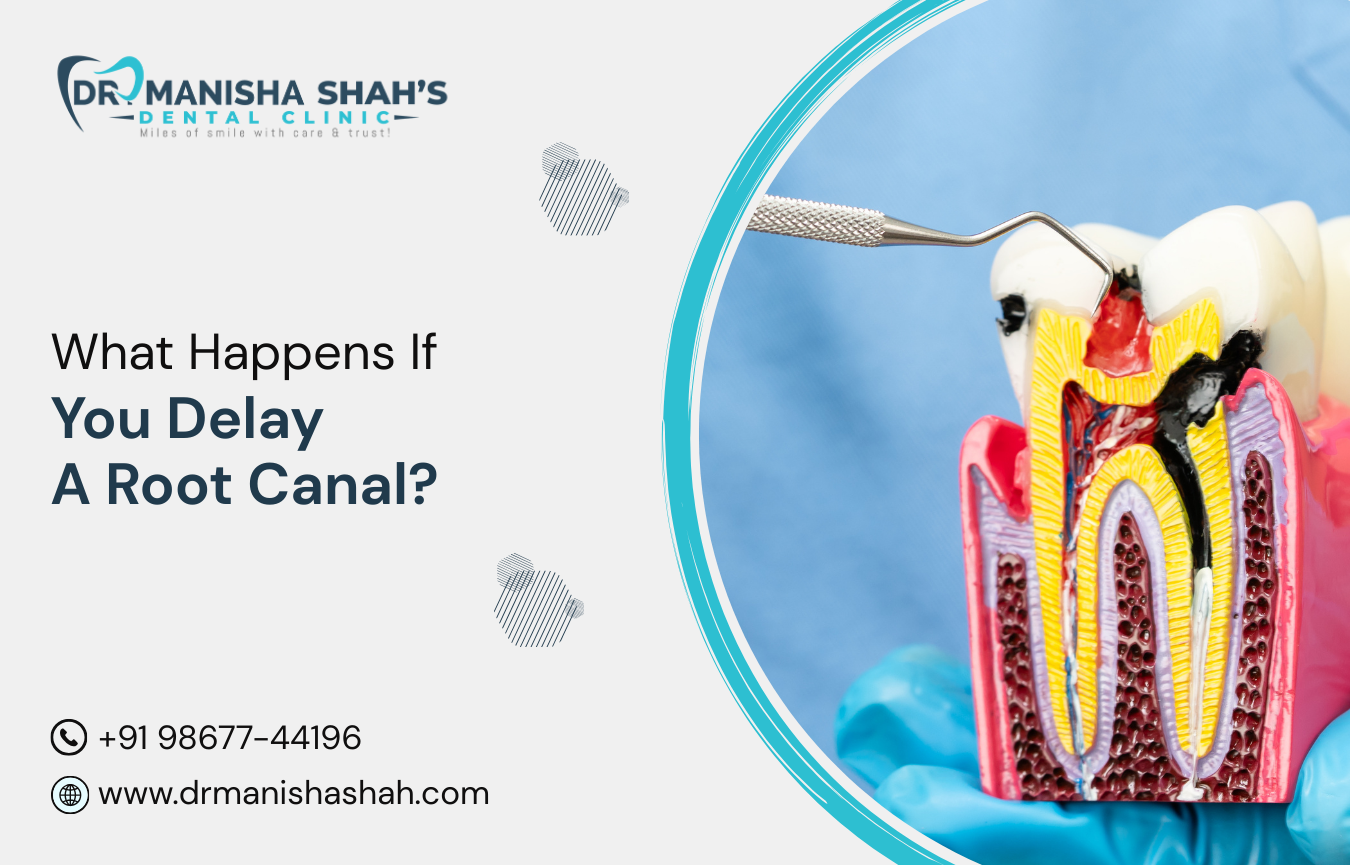
Most people do not delay dental treatment out of carelessness. They delay it out of hope. Hope that the pain will fade. Hope the tooth settles down. Hope that today will not be the day it becomes urgent.
That hope feels reasonable, especially when discomfort comes and goes. Yet inside the tooth, nothing stands still. If you have been postponing care while telling yourself you will handle it later, this is your reminder to look into root canal treatment before “later” decides its own timing.
At Dr. Manisha Shah's Dental Clinic, patients often realize that the delay itself shaped their experience more than the root canal treatment in Chembur ever did. Understanding why that happens makes all the difference.
The Early Warning Phase Most People Miss
Pain works like an alarm system. It rings loudly at first, then goes silent when the nerve inside the tooth begins to lose vitality. Many people assume silence means healing. The opposite often happens.
Inside the tooth, bacteria continue their work. Infection spreads from the pulp into the surrounding tissues. The absence of pain does not signal recovery. It signals progression.
Dentists often compare this stage to ignoring a leaking pipe hidden behind a wall. The dripping noise stops, but moisture keeps spreading, weakening everything around it. By the time the damage shows, repairs demand more effort.
What Actually Happens Inside the Tooth When You Wait
Delaying treatment allows infection to expand beyond the tooth’s inner chamber. The body reacts by forming abscesses and inflammation in the jawbone. Swelling may appear. Pressure builds. Sensitivity returns with greater intensity.
At this stage, simple chewing becomes uncomfortable. Nighttime pain disrupts sleep. Painkillers lose effectiveness.
Patients often say, “It suddenly became unbearable.” In truth, it grew quietly for weeks or months.
The Ripple Effect on Your Overall Oral Health
One untreated tooth rarely stays alone. Infection spreads to neighboring teeth and gums. Bite alignment changes as people avoid chewing on the affected side. Jaw muscles strain. Headaches appear more frequently.
Delaying care creates a chain reaction that affects areas far beyond the original tooth. Dentists at Dr. Manisha Shah's Dental Clinic often see patients surprised by how one delay impacts multiple teeth.
At this point, treatment becomes more complex, time-consuming, and uncomfortable than it needed to be earlier.
The Cost of Waiting Goes Beyond Pain
Many patients hesitate because they worry about the cost of root canal treatment. Ironically, delaying treatment often increases overall expenses.
When infection advances, treatment options narrow. Dentists may need to perform additional procedures like abscess drainage, bone support therapy, or even tooth extraction, followed by replacement.
Early intervention usually limits treatment to one focused procedure. Late intervention often requires layered solutions.
In dentistry, timing influences cost as much as technique.
Emotional Stress Plays a Bigger Role Than You Expect
Tooth pain affects mood, patience, and confidence. People become irritable, distracted, and hesitant to eat or smile freely. Social interactions feel strained. Meals turn into calculations.
Patients often describe relief not only after treatment but also from no longer worrying about when pain will strike next.
Delaying treatment extends this mental load unnecessarily.
Why the Tooth Cannot Heal Itself
Teeth differ from skin or muscle. They lack the ability to regenerate once infection reaches the pulp. Antibiotics alone cannot solve the problem because they do not eliminate bacteria trapped inside the tooth structure.
A root canal removes infected tissue and seals the space, stopping further damage. Waiting does not strengthen the tooth. It weakens it.
Understanding this biological limit helps patients make informed decisions rather than hopeful guesses.
When Delay Leads to Tooth Loss
In advanced cases, dentists may no longer save the tooth. Extraction becomes the only option. Tooth loss introduces new challenges like shifting teeth, bite imbalance, and the need for prosthetic replacement.
Patients often express regret at this stage. They realize they could have preserved their natural tooth with timely care.
Natural teeth, once lost, cannot return.
The Social Myths That Encourage Delay
Many people fear root canal treatment because of outdated stories. Modern techniques prioritize comfort, precision, and efficiency. The procedure feels far less intimidating than its reputation suggests.
Dentists spend significant time reassuring patients that current treatment focuses on relieving pain, not causing it.
Waiting because of fear often causes the very discomfort patients hope to avoid.
A Turning Point Many Patients Remember Clearly
Patients often recall the moment they finally scheduled treatment. Pain crossed a threshold. Sleep suffered. Eating became difficult.
After treatment, many say the same thing: “I should have done this sooner.”
This reflection highlights an important truth. The procedure ends the problem. Delay extends it.
How Dentists Decide When Waiting Becomes Risky
Dentists evaluate several factors when assessing urgency:
- Severity and duration of pain
- Presence of swelling or abscess
- X-ray evidence of infection spread.
- Impact on neighboring teeth
When these indicators appear, dentists recommend prompt action. Ignoring professional advice increases risk significantly.
Trusting early guidance prevents complicated outcomes.
A Clear Look at Long-Term Consequences
Delaying treatment does not pause the problem. It allows it to evolve.
Potential long-term effects include:
- Chronic infection
- Jawbone damage
- Tooth loss
- Increased treatment complexity
- Higher overall costs
Each step further from early intervention narrows available solutions.
Why Early Action Feels Easier in Retrospect
Patients who choose timely care often return to normal routines quickly. Discomfort resolves—confidence returns. Dental visits regain a sense of control rather than urgency.
If you are in Chembur or nearby, searching for root canal treatment cost in Chembur, you will find affordable treatments at Dr. Manisha Shah’s Dental Clinic without breaking the bank.
Early care creates simpler stories with smoother endings.
Ready to Make the Decision You Will Thank Yourself For?
If a tooth continues to trouble you, delaying rarely helps. Book a consultation at Dr. Manisha Shah's Dental Clinic to understand your options for root canal treatment in Chembur clearly and calmly. Timely root canal treatment protects your natural tooth, relieves escalating pain, and prevents avoidable complications.
The sooner you act, the simpler the solution stays.
FAQs
What happens if I delay root canal treatment?
Delaying treatment allows infection to spread deeper into the tooth and surrounding bone. Pain may temporarily reduce, but damage continues silently. Over time, the tooth may become unsalvageable. Early treatment prevents these outcomes.
Can pain disappear even if the problem remains?
Yes, pain often fades when the nerve loses vitality. This does not mean healing has occurred. Infection continues to progress beneath the surface. Dentists rely on examinations and imaging rather than pain alone.
Does delaying treatment increase its complexity?
Yes, delayed cases often require additional procedures. Abscess management or tooth replacement may become necessary. Early treatment usually stays simpler and faster. Complexity increases with time.
Is root canal treatment painful?
Modern techniques focus on comfort and pain relief. Most patients feel significant improvement after treatment. The discomfort of infection often exceeds that of the procedure itself. Fear should not drive delay.
When should I see a dentist for tooth pain?
Visit a dentist as soon as possible if pain or sensitivity persists. Early evaluation helps preserve the tooth and reduce treatment needs. Waiting increases risk without offering a benefit.