Commonly Asked Questions About Braces Treatment
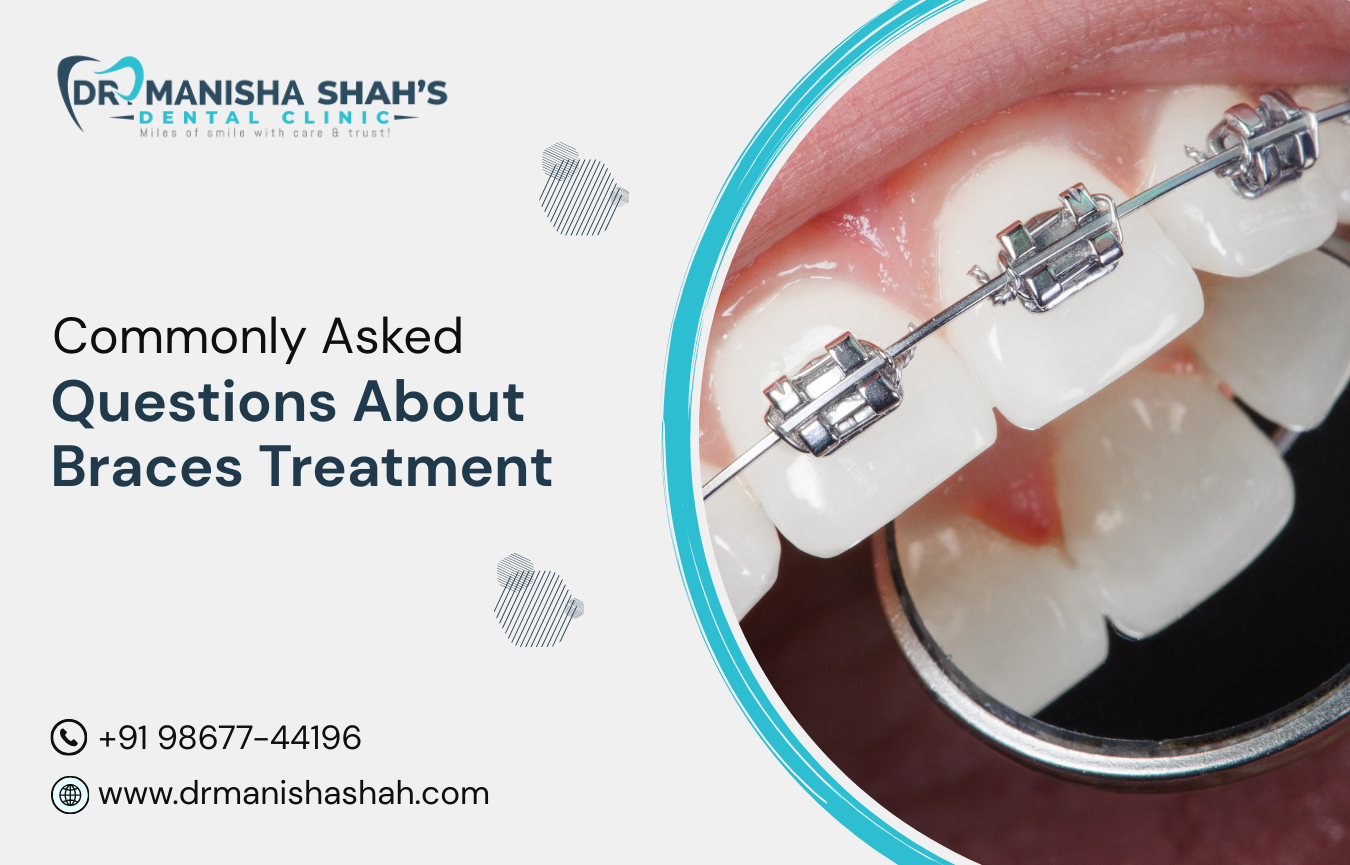
Thinking about braces often begins with a quiet moment. You notice your smile in a mirror at home or in a photo from a family function, and something feels slightly off. It could be crowding. A gap that never bothered you before suddenly does. Or chewing feels uneven, like your teeth never fully learned to work together.
At Dr. Manisha Shah's Dental Clinic, individuals of all ages walk in with curiosity mixed with hesitation for braces treatment in Chembur. Teenagers worry about appearance. Adults worry about time, comfort, and cost. Parents worry about doing the right thing at the right age. What they all have in common is questions. Lots of them. And that is exactly where every good orthodontic journey should start.
Instead of overwhelming you with technicalities, let us walk through the most common and relevant questions people ask today, explained in a clear, practical way.
Why Do People Really Choose Braces Today?
Braces no longer serve only cosmetic goals. While a straighter smile does boost confidence, most individuals choose braces because their daily function starts to suffer.
People usually seek orthodontic care due to
• Crowded or overlapping teeth that trap food
• Gaps that affect speech or appearance
• Bite problems causing jaw strain or headaches
• Difficulty cleaning teeth properly
Think of teeth like books on a shelf. When they stack unevenly, some lean, some hide behind others, and cleaning becomes difficult. Braces help realign that shelf so everything sits where it belongs.
At What Age Should Braces Treatment Begin?
This question appears in almost every consultation, especially from parents.
Orthodontists generally recommend an evaluation around the age of seven. That does not mean treatment always starts then. It simply allows early detection of jaw growth issues. Many children begin wearing braces during their teenage years, once most permanent teeth erupt.
At Dr. Manisha Shah's Dental Clinic, adults often say they wish they had done this sooner. The good news is that teeth respond to orthodontic movement at any age when gums and bone stay healthy.
What Types of Braces Are Commonly Used Now?
Braces have evolved significantly. Patients no longer choose only one traditional option. Today, orthodontic treatment feels more customized.
Common options include
• Metal braces that offer durability and effectiveness
• Ceramic braces that blend with tooth color
• Self-ligating braces that reduce friction and visits
• Clear aligners for removable, discreet correction
Choosing braces resembles choosing footwear. You look for comfort, function, durability, and style. The best option depends on your lifestyle, dental needs, and treatment goals.
How Long Does Braces Treatment Usually Take?
Treatment duration usually ranges between 12 and 24 months. Minor corrections may finish sooner, while complex bite issues take longer. Factors that influence treatment time include
• Severity of misalignment
• Age and bone response
• Consistency in attending appointments
• Following the orthodontist's instructions
Braces work gradually. They shift teeth the way steady rainfall shapes land over time, not through force, but through consistency.
Is Braces Treatment Painful?
Discomfort concerns almost everyone, even if they hesitate to admit it.
Most individuals experience mild soreness when braces are first placed or adjusted. This sensation usually feels like pressure rather than pain and fades within a few days. Orthodontists manage discomfort using simple measures like soft food guidance and mild pain relief if required.
Pain rarely becomes severe. People with braces often say the anticipation feels worse than the reality.
How Often Do Braces Need Adjustments?
Braces need regular check-ins to stay effective. These visits usually occur every four to six weeks.
During adjustments, orthodontists fine-tune wires or aligners to guide tooth movement. Each visit contributes to steady progress. Skipping appointments delays results, much like missing steps in a recipe changes the final dish.
What Daily Habits Matter Most During Braces Treatment?
Braces demand teamwork between the patient and the orthodontist.
Key habits include
• Brushing after every meal
• Using interdental brushes or floss threaders
• Avoiding sticky or hard foods
• Wearing elastics as advised.
Patients who follow these steps finish treatment more smoothly. Braces reward consistency.
Can Adults Balance Work, Social Life, and Braces?
Yes. Modern braces integrate easily into daily life. Adults continue meetings, presentations, travel, and social events without disruption. Clear aligners especially appeal to professionals who prefer discretion.
Braces do not pause life. They adapt to it.
Are Braces Only About Straight Teeth?
No, Braces improve.
• Bite alignment
• Jaw balance
• Speech clarity
• Long-term tooth health
Correct alignment reduces uneven wear and lowers future dental treatment needs. Orthodontics often prevents problems before they require larger interventions.
How Does Braces Treatment Affect Oral Hygiene?
Braces increase responsibility. They also improve outcomes when individuals rise to the challenge.
Plaque tends to hide around brackets and wires. Without proper cleaning, cavities and gum inflammation develop. Orthodontists emphasize oral hygiene because braces amplify existing habits.
Good hygiene during braces builds habits that last long after treatment ends.
What Happens After Braces Come Off?
This moment excites everyone, but it also marks the beginning of a new phase; however, retention matters. Teeth naturally try to return to their old positions. Retainers hold results in place while the bone stabilizes. Orthodontists customize retention plans based on individual needs.
Skipping retainers risks undoing months of effort.
Are Braces Worth the Investment?
Patients often ask this without asking. Braces improve confidence, comfort, and dental health. They reduce future dental expenses linked to wear, fractures, or gum problems. When individuals reflect after treatment, most describe braces as a decision they wish they had made earlier.
If you consider long-term benefits, braces treatment in Chembur at Dr. Manisha Shah’s Dental Clinic becomes less about cost and more about value.
Why Do Patients Choose Dr. Manisha Shah's Dental Clinic for Braces?
Patients often mention clarity, comfort, and communication.
At Dr. Manisha Shah's Dental Clinic, orthodontic care focuses on education as much as correction. Patients understand what happens, why it happens, and how their role matters. That clarity alone is enough for building confidence and trust.
Ready to Take the Next Step?
Braces do not change smiles overnight. They guide transformation patiently and predictably. If you have reached the stage where questions outweigh hesitation, this may be the right moment to explore braces treatment with professional guidance.
Schedule a consultation at Dr. Manisha Shah's Dental Clinic for braces treatment in Chembur and begin a journey that straightens more than teeth. It restores balance, confidence, and comfort, one small adjustment at a time.
Your smile already tells a story. Braces simply help it speak more clearly.